History of the Classification System
Carl Linnaeus was a Swedish zoologist, botanist and sometimes physician. He is regarded as “the father of modern taxonomy” for starting the taxonomy system we still use today. In 1735 he published the first many editions of Systema Naturae in which he began to classify different animal and plants. He did this because he wanted a way for scientists and others to be able to more easily find what a animals or plant was and as a result many people throughout the world sent organisms to be classified in the publication. Later he created what is now regarded a s the start of the taxonomic classification system by grouping organisms into two categories: Animalia and vegetabilia [33]. Animalia contained all “animals” such as rabbits and birds while vegetabilis contained “plants” such as ferns and trees.
The three domains were introduced into the animal classification system sometime between 1969 and 1980. The domains were introduced by Dr. Carl Woese in order to help scientists better classify organisms. He did this after he and his colleagues began to discover microorganisms living in extreme places such as deep sea vents and decided there needed to be a way to better classify them along with the rest of the other organisms .
Dr Carl Woese decided on three subcategories: Eukarya, Bacteria and Archaea. Domain Eukarya are organisms that have a nucleus that is membrane bound. Eukarya more often than not classify animals we see in our daily lives such as dogs, deer insects and even plants. Next are Bacteria which are organisms that differentiate from Eukarya in that they have no membrane bound organelles. Bacteria can be found everywhere even in our own bodies, but they are microscopic so we cannot see them unless we use a microscope. Finally, Archaea, which share many similar characteristics with Bacteria, but are actually more closely related to Eukarya. Some of those characteristics shared with bacteria are having no nuclear bound organelles, and each domain also has RNA that is unique in its structure. A difference between Bacteria and Archaea is that Archaea often live in much more extreme environments such as hot springs and hydrothermal vents deep under the sea [34]. Organisms belonging to domain Archaea are what Dr. Woese first saw that inspired him to classify organisms into the three domains. Archaea are also believed to be among the oldest organisms on the planet. Because of the fact they are microscopic, Bacteria and Archaea are often under appreciated but recently, more attention has been given to gaining a better understanding of how they can to be and evolved through time. [36].
Unity within the same domain

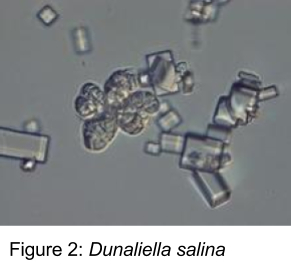
Wallemia ichthyophaga and Dunaliella salina both fall into Domain Archaea and prefer salty environments [37].
Unity within different domains

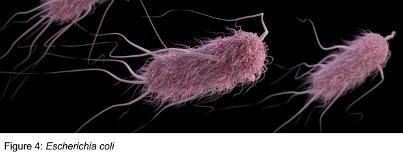
Methanocaldocuccus jannaschii from Domain Archaea and Escherichia coli from Domain Bacteria both prefer environments with warm water[38].
Diversity within the same domain
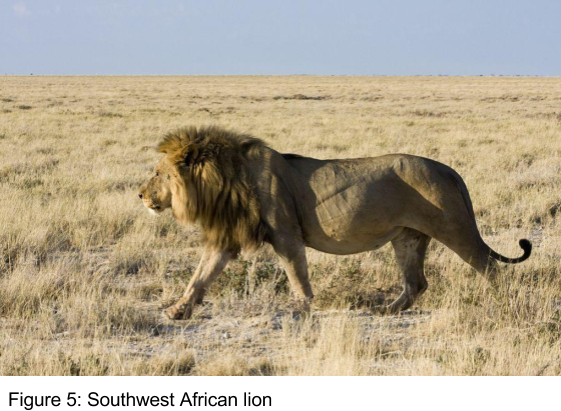
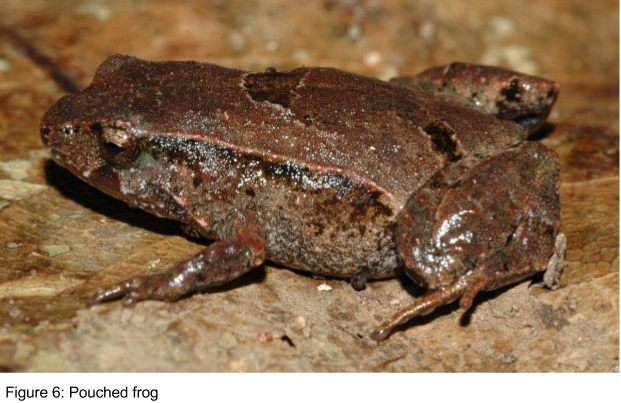
The Southwest African lion and the pouched frog both belong to the same domain, Eukarya. However most of the similarities stop there. The southwest African lion can grow up to 10 feet and is currently the largest known subspecies of lion. Its body and tail are covered in fur and it prefers a dry hot climate[39].The pouched frog on the other hand only grows up to a few inches at most and likes moist climates with lots of shade. Rather than fur like the lion the pouched frog's body is moist and its color helps it blend in which helps the frog evade predators [40]. These are just a few of the differences between the Pouched frog and the Southwest African lion.
