Protista
Protists are eukaryotic organisms that are not fungi, plants, or animals, which means that they do not necessarily have a lot in common with each other, but are in this kingdom simply because they didn’t fit into any others. When protists were originally organized in 1866 by Ernst Haeckel, they had three subdivisions: Protozoa, which is most similar to animals; Protophyta, which was most similar to plants, and molds, which were most similar to fungi. Now, protists are divided based on evolutionary similarities. Mosts protists are unicellular, with only a few being multicellular. Most protists are autotrophic. Some protists reproduce sexually using gametes, and others reproduce asexually through binary fission [60].
Fungi
Fungi are eukaryotic organisms that include yeasts, molds, and mushrooms. Fungi contains chitin in its cell wall, something which no other kingdom has. Fungi are also heterotrophs, acquiring energy through absorbing dissolved molecules in its environment. Before fungi were inspected more closely, taxonomists thought they were in the Kingdom Plantae, because of their similar characteristics such as being unable to move, having a cell wall, and reproducing sexually and asexually, but they are now their own kingdom. Most fungi are multicellular, but some are unicellular [61].
Plantae
Plantae are multicellular, eukaryotic organisms that include flowering plants, mosses, and some algae. Plants acquire nutrition autotrophically, using the energy from the sun and photosynthesis to create energy. Plants can reproduce both sexually and asexually, and are not able to move. Plants are divided into four main groups, based on the presence/absence of vascular tissue, and the presence/absence of seeds. These four groups are Bryophyta, Pteridophyta, angiosperms, and gymnosperms. Angiosperms and gymnosperms have seeds, and Bryophytes and Pteridophytes are seedless. Pteridophytes, angiosperms and gymnosperms are all vascular, but Bryophytes are not [62].
Animalia
The major group of organisms belong to the Kingdom Animalia, which consists of 9-10 million species. All organisms in this kingdom are multicellular, eukaryotic, and are heterotrophic, depending on other animals for food. Most animals are able to move. Most animals inhabit the sea, with very few living on land. Most animals have tissue that form organs, each with a specific function. All animals have respiration,which is the ability to take in oxygen and put out carbon dioxide. Animals also have digestion, the process of breaking down food done by the body. Animals possess nervous systems, which is comprised of a brain, a spinal cord, and nerves. In addition to these, animals have circulatory systems, excretory systems, and a reproductive system [63].
Evolutionary differences between kingdoms
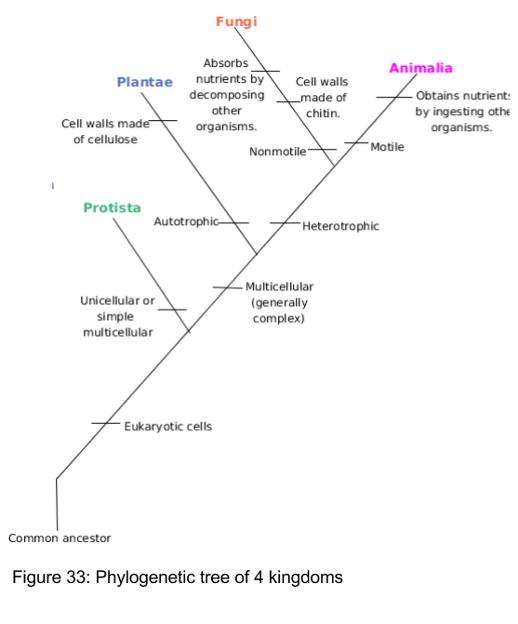
Similarities and differences between the kingdoms
All four kingdoms are eukaryotic organisms. Protists and Fungi are the only kingdoms where an organism can be unicellular, and plants and animals are both multicellular. Protists, fungi, and plants can reproduce both sexually and asexually, but animalia can only reproduce sexually. Protists and plants acquire nutrition autotrophically, but fungi and animals acquire nutrition heterotrophically. Only plants and fungi have cell walls and are not motile.
Unity between organisms
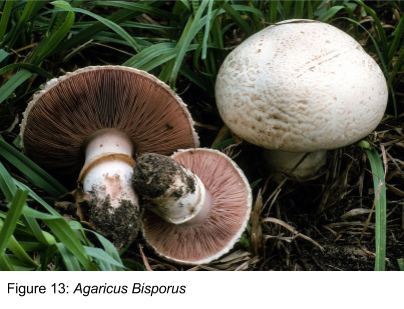
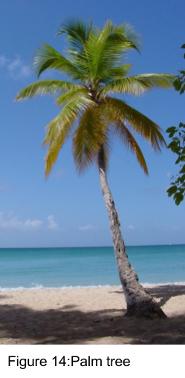
Agaricus Bisporus belongs to the Kingdom Fungi, and the palm tree belongs to the Kingdom Plantae. Both of these organisms do not have nervous systems, are not motile, and can reproduce both sexually and asexually. They also both grow from the ground.
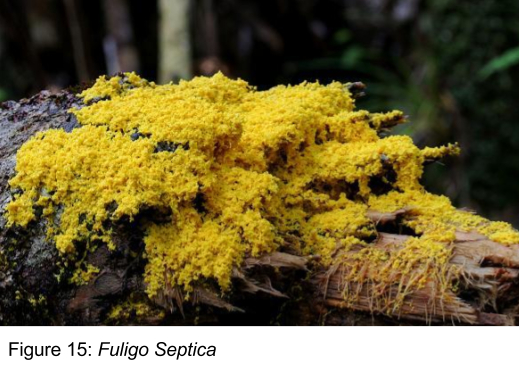
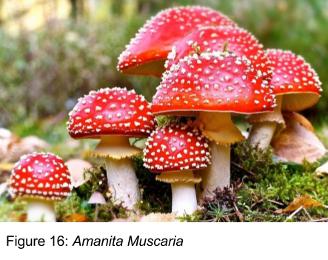
Fuligo Septica is a protist, and Amanita Muscaria is a fungus. Both of these organisms use absorption as their mode of nutrition, both lack a nervous system, and both are eukaryotic. These two organisms are very similar because fuligo septica is a slime mold, which means that reproduces by making spores, which is also what Amanita Muscaria and other fungi do to reproduce.
Diversity between organisms
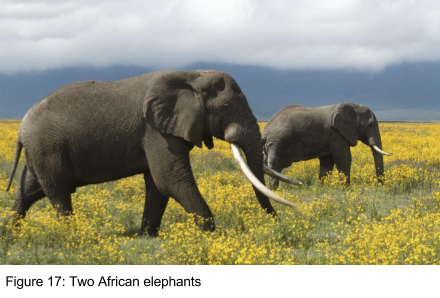
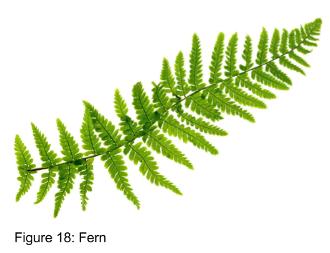
The African elephant and fern are two very different organisms. The African elephant, part of Kingdom Animalia, is a large, motile organism that reproduces through sexual reproduction.The fern, part of Kingdom Plantae, is a small, non-motile organism that reproduces through asexual reproduction.
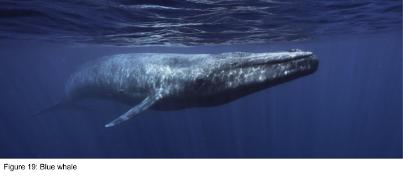
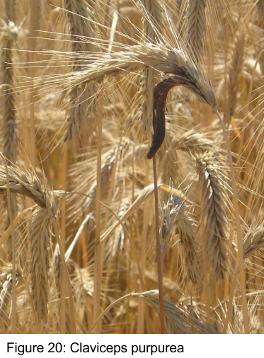
The blue whale is part of Kingdom Animalia, and claviceps purpurea is a fungus. The blue whale is a very large organism that is motile, has a nervous system, and reproduces through sexual reproduction. Claviceps purpurea is a small organism that is not motile and does not have a nervous system.
